Hopper's Experiments
Hopper's Experiments
Hopper's Experiments
Project Type: Creative Experiment
Project Type: Creative Experiment
Project Type: Creative Experiment
Time: Sep 2025
Time: Sep 2025
Time: Sep 2025
A collection of AI-driven visual experiments.
A collection of AI-driven visual experiments.
A collection of AI-driven visual experiments.
Project Overview
Project Overview
Project Overview
Time Hopper is a character-driven AI storytelling project centered on a fictional time-travel influencer exploring history and speculative futures. The series focuses on obscure historical moments, bizarre true events, and imaginative “what-if” scenarios, presented with a witty and accessible tone.
I contributed to the project by developing AI-generated imagery and refining the iterative prompting process behind its visual language. The work explores how generative tools can support personality-led storytelling while making complex or overlooked history engaging for social audiences.
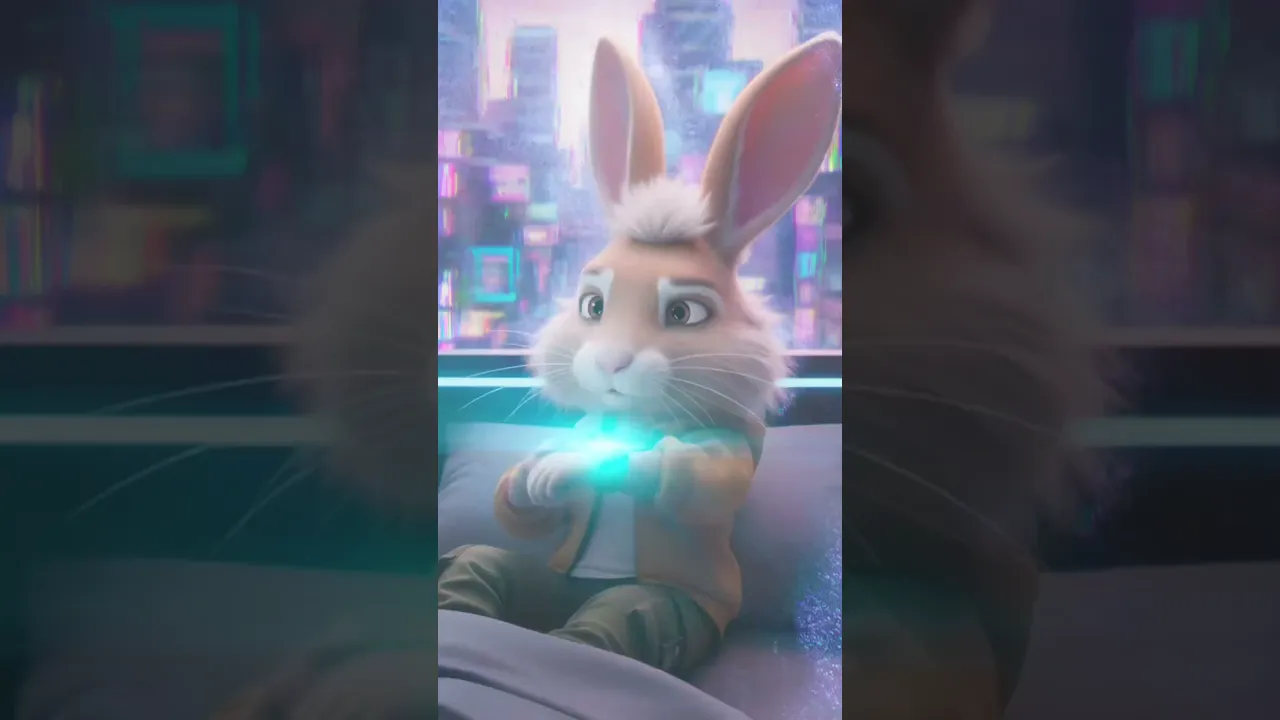
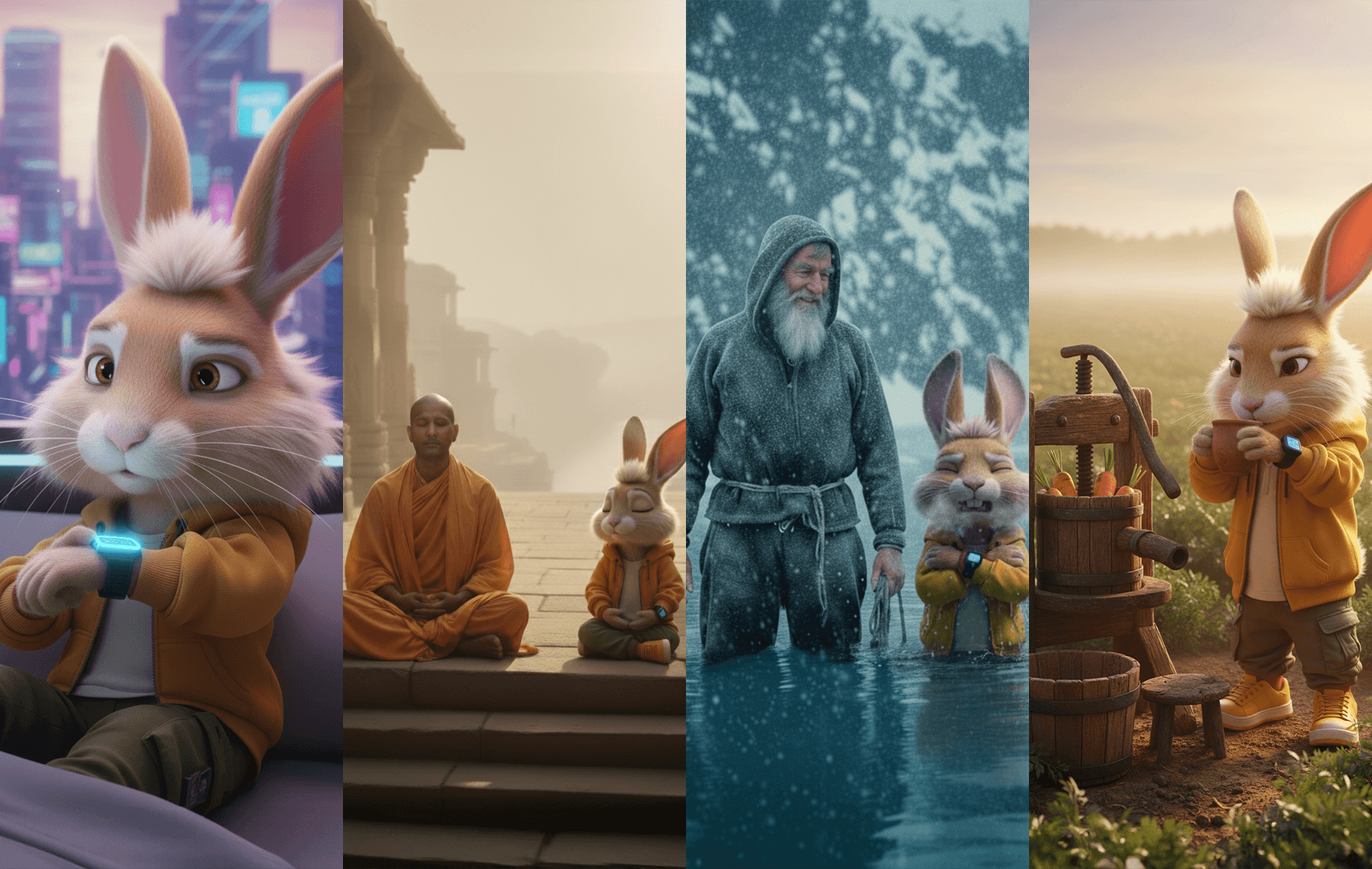
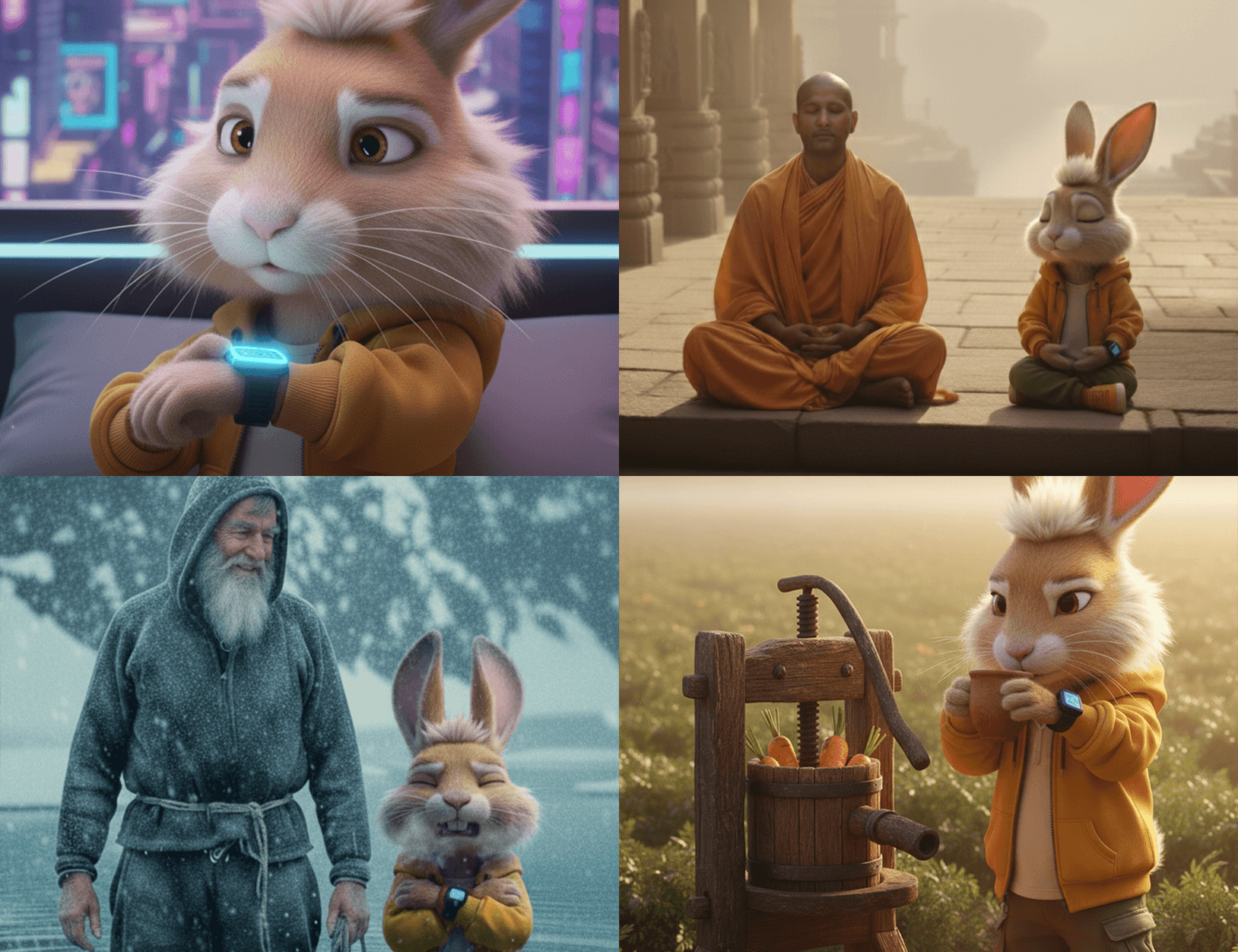
This episode follows Hopper’s daily ritual across radically different eras, from a cyberpunk Tokyo bedroom to an Indian temple courtyard, an Icelandic glacial spring, and a medieval carrot field.
The piece explores contrast between comfort and discomfort, technology and tradition, and control and chaos, while maintaining character continuity through iterative AI workflows.
Time Hopper is a character-driven AI storytelling project centered on a fictional time-travel influencer exploring history and speculative futures. The series focuses on obscure historical moments, bizarre true events, and imaginative “what-if” scenarios, presented with a witty and accessible tone.
I contributed to the project by developing AI-generated imagery and refining the iterative prompting process behind its visual language. The work explores how generative tools can support personality-led storytelling while making complex or overlooked history engaging for social audiences.
This episode follows Hopper’s daily ritual across radically different eras, from a cyberpunk Tokyo bedroom to an Indian temple courtyard, an Icelandic glacial spring, and a medieval carrot field.
The piece explores contrast between comfort and discomfort, technology and tradition, and control and chaos, while maintaining character continuity through iterative AI workflows.
Time Hopper is a character-driven AI storytelling project centered on a fictional time-travel influencer exploring history and speculative futures. The series focuses on obscure historical moments, bizarre true events, and imaginative “what-if” scenarios, presented with a witty and accessible tone.
I contributed to the project by developing AI-generated imagery and refining the iterative prompting process behind its visual language. The work explores how generative tools can support personality-led storytelling while making complex or overlooked history engaging for social audiences.
This episode follows Hopper’s daily ritual across radically different eras, from a cyberpunk Tokyo bedroom to an Indian temple courtyard, an Icelandic glacial spring, and a medieval carrot field.
The piece explores contrast between comfort and discomfort, technology and tradition, and control and chaos, while maintaining character continuity through iterative AI workflows.
Methodology
Methodology
Methodology
This project treats AI as a creative collaborator rather than a one-click generator. Each experiment follows an iterative workflow that blends narrative intent, prompt design, visual testing, and refinement.
The process begins with defining a clear storytelling goal — a specific historical moment, emotional beat, or speculative scenario. From there, prompts are developed to control character behavior, camera logic, environment, and tone. Early outputs are evaluated for visual consistency, physical believability, and narrative clarity, with failures treated as signals for adjustment rather than mistakes.
This project treats AI as a creative collaborator rather than a one-click generator. Each experiment follows an iterative workflow that blends narrative intent, prompt design, visual testing, and refinement.
The process begins with defining a clear storytelling goal — a specific historical moment, emotional beat, or speculative scenario. From there, prompts are developed to control character behavior, camera logic, environment, and tone. Early outputs are evaluated for visual consistency, physical believability, and narrative clarity, with failures treated as signals for adjustment rather than mistakes.
This project treats AI as a creative collaborator rather than a one-click generator. Each experiment follows an iterative workflow that blends narrative intent, prompt design, visual testing, and refinement.
The process begins with defining a clear storytelling goal — a specific historical moment, emotional beat, or speculative scenario. From there, prompts are developed to control character behavior, camera logic, environment, and tone. Early outputs are evaluated for visual consistency, physical believability, and narrative clarity, with failures treated as signals for adjustment rather than mistakes.
Tools & Stack
Tools & Stack
Tools & Stack
The workflow combines multiple tools, each serving a distinct role in the creative system:
ChatGPT → prompt logic, narrative structure, and character voice refinement
Image models (Google Nano Banana, TensorArt) → environment building, character staging, and visual experimentation
Video models (VEO 3, Hailuo, Kling) → motion testing, cinematic timing, and POV realism
Post-production (Photoshop, CapCut) → color correction, compositional adjustments, and final polish
Rather than relying on a single model, the stack is used modularly by selecting tools based on strengths in realism, motion physics, lens logic, or stylistic consistency.
By cycling through prompting, evaluation, tool selection, and revision, the methodology emphasizes intentional authorship that uses AI to extend creative control while maintaining a cohesive voice and visual language.
The workflow combines multiple tools, each serving a distinct role in the creative system:
ChatGPT → prompt logic, narrative structure, and character voice refinement
Image models (Google Nano Banana, TensorArt) → environment building, character staging, and visual experimentation
Video models (VEO 3, Hailuo, Kling) → motion testing, cinematic timing, and POV realism
Post-production (Photoshop, CapCut) → color correction, compositional adjustments, and final polish
Rather than relying on a single model, the stack is used modularly by selecting tools based on strengths in realism, motion physics, lens logic, or stylistic consistency.
By cycling through prompting, evaluation, tool selection, and revision, the methodology emphasizes intentional authorship that uses AI to extend creative control while maintaining a cohesive voice and visual language.
The workflow combines multiple tools, each serving a distinct role in the creative system:
ChatGPT → prompt logic, narrative structure, and character voice refinement
Image models (Google Nano Banana, TensorArt) → environment building, character staging, and visual experimentation
Video models (VEO 3, Hailuo, Kling) → motion testing, cinematic timing, and POV realism
Post-production (Photoshop, CapCut) → color correction, compositional adjustments, and final polish
Rather than relying on a single model, the stack is used modularly by selecting tools based on strengths in realism, motion physics, lens logic, or stylistic consistency.
By cycling through prompting, evaluation, tool selection, and revision, the methodology emphasizes intentional authorship that uses AI to extend creative control while maintaining a cohesive voice and visual language.
Experiment 01
Experiment 01
Experiment 01
Sensory Environments (ASMR)
Sensory Environments (ASMR)
Sensory Environments (ASMR)
Exploring material realism, texture logic, and environmental behavior through controlled visual constraints.
Exploring material realism, texture logic, and environmental behavior through controlled visual constraints.
Exploring material realism, texture logic, and environmental behavior through controlled visual constraints.
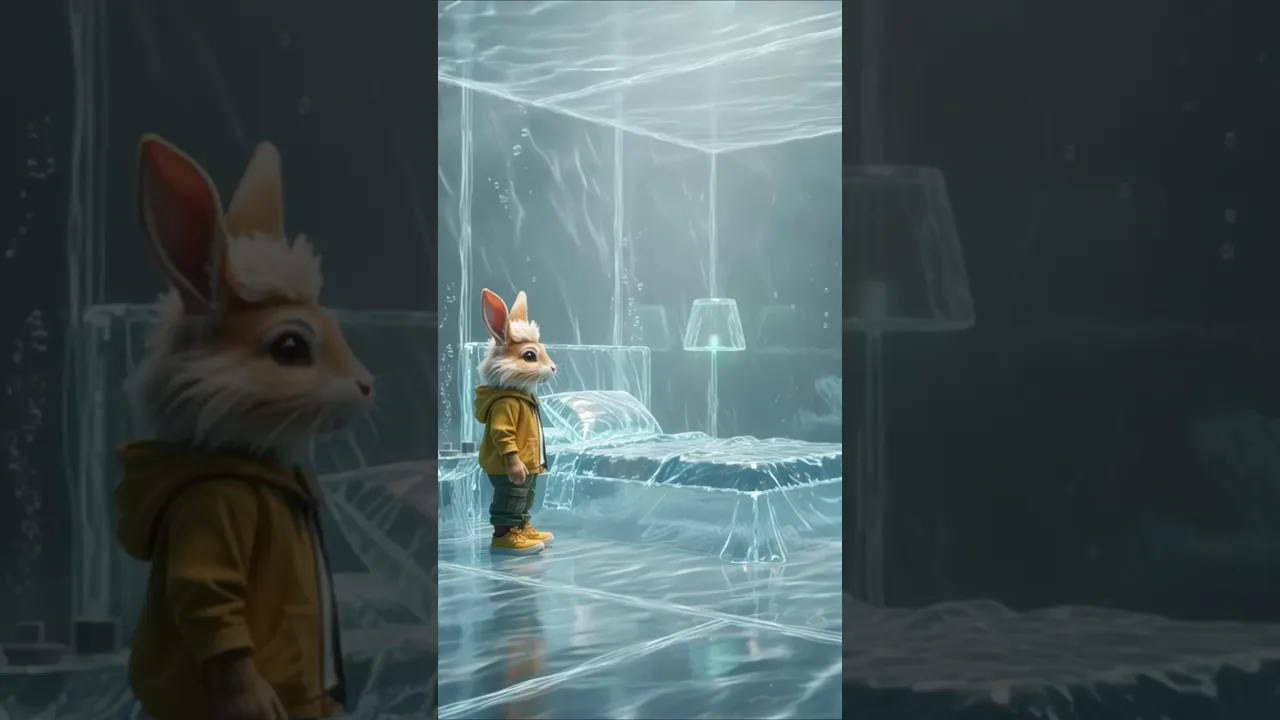
Water Room
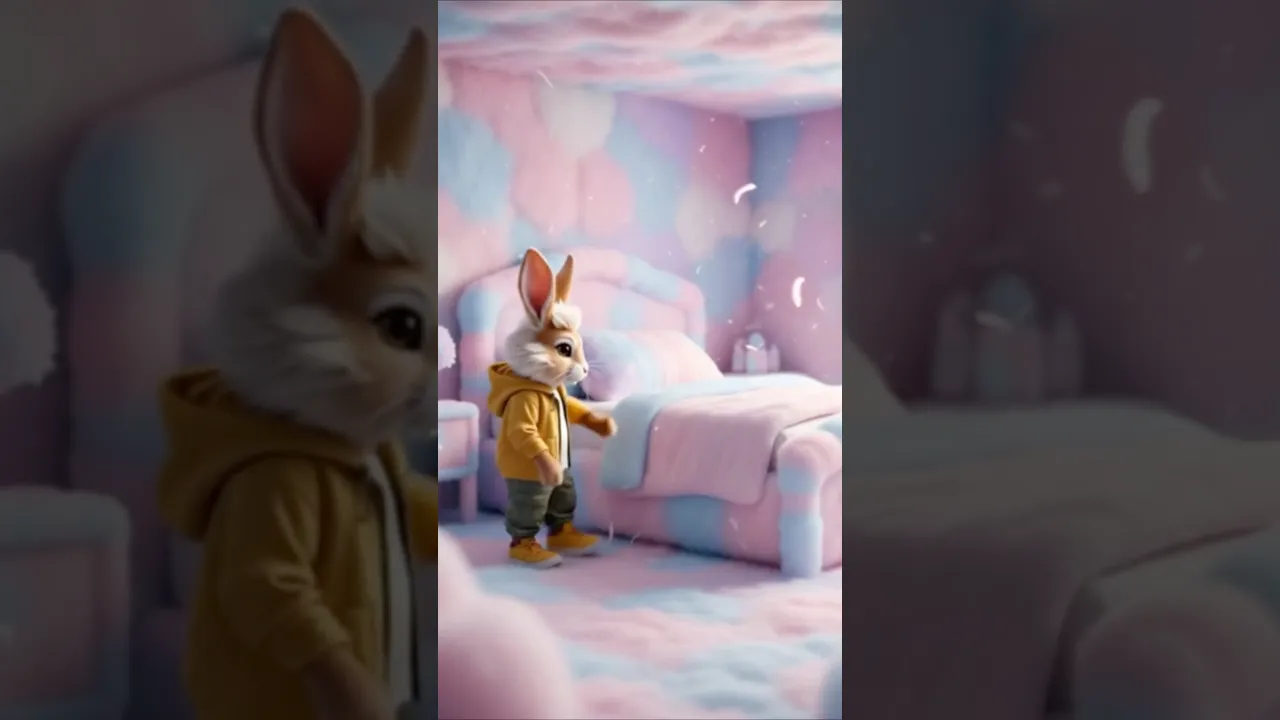
Cotton Candy Room
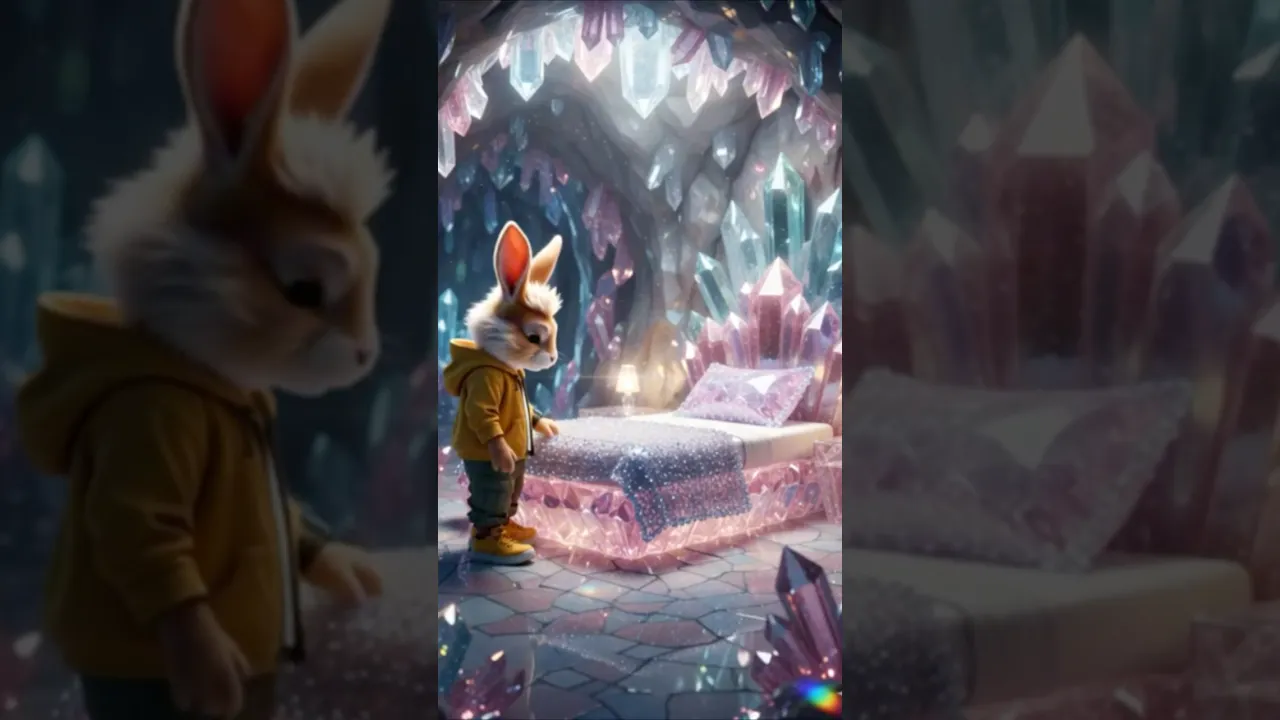
Crystal Room
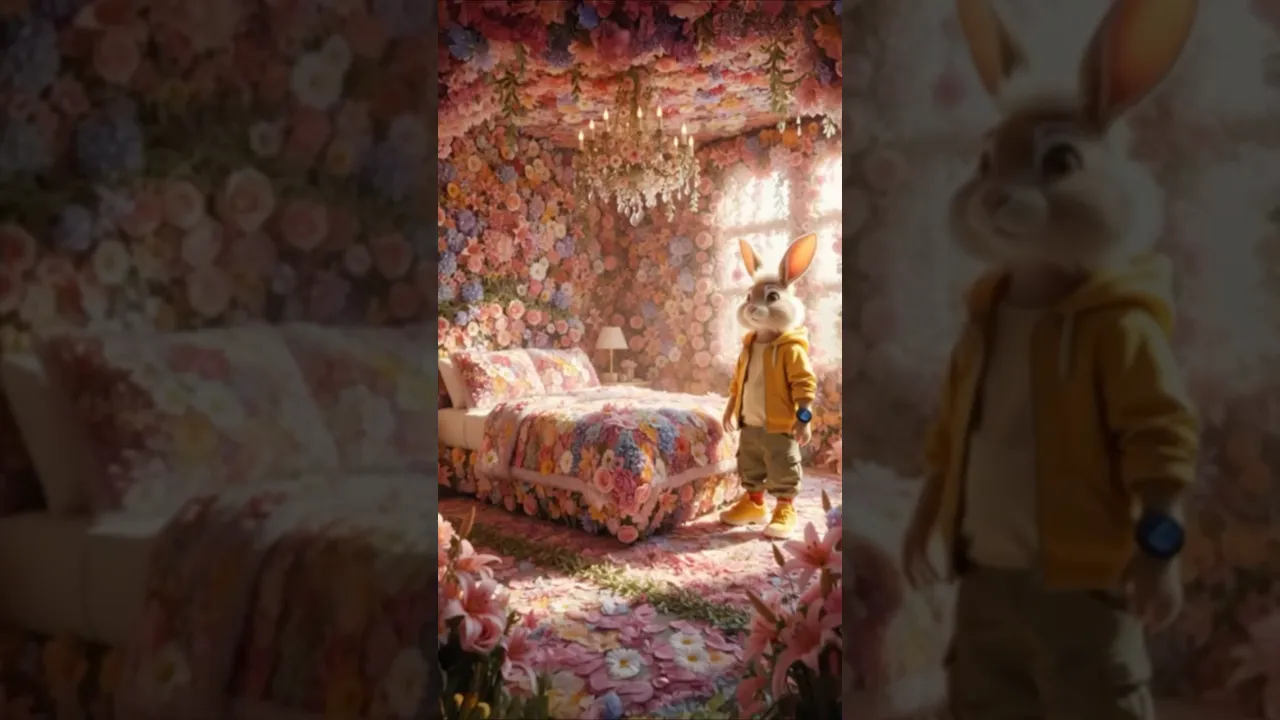
Flower Room
Experiment 02
Experiment 02
Experiment 02
Character Interaction and Physical Realism
Character Interaction and Physical Realism
Character Interaction and Physical Realism
Exploring scale, behavior, and cinematic believability between Hopper and live-action-style subjects across still and motion formats.
Exploring scale, behavior, and cinematic believability between Hopper and live-action-style subjects across still and motion formats.
Exploring scale, behavior, and cinematic believability between Hopper and live-action-style subjects across still and motion formats.
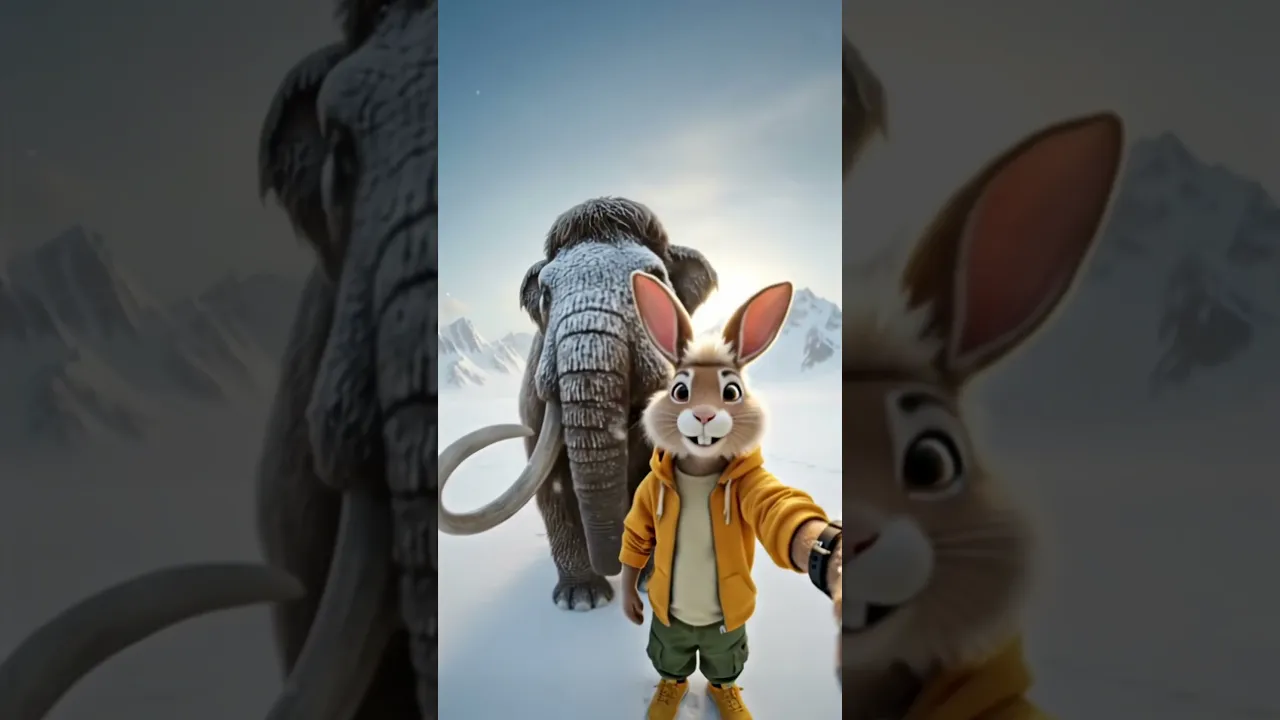
Mammoth
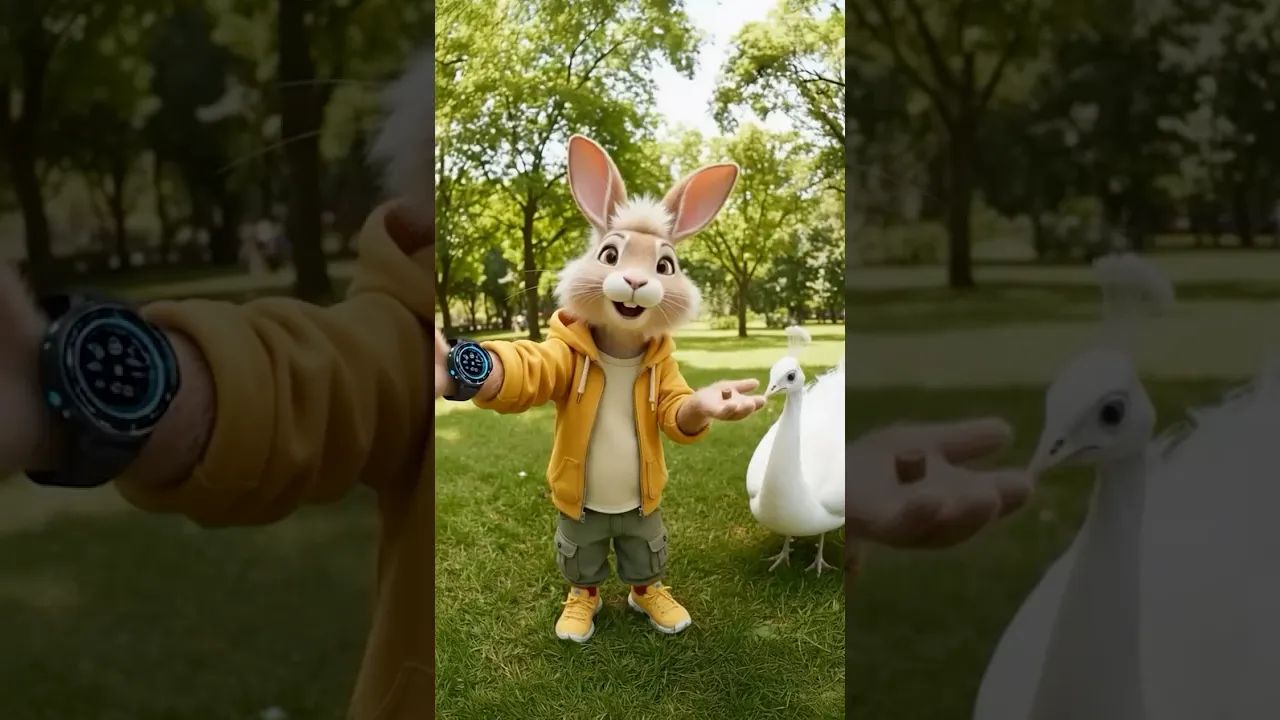
Peacock
MORE WORKS
MORE WORKS